Key facts
- Porcelain, ceramic, natural stone, mosaic and large format tile
- Floors, showers, backsplashes, fireplaces and patios
- Crack isolation and waterproofing membranes
- Installed to ANSI and TCNA guidelines
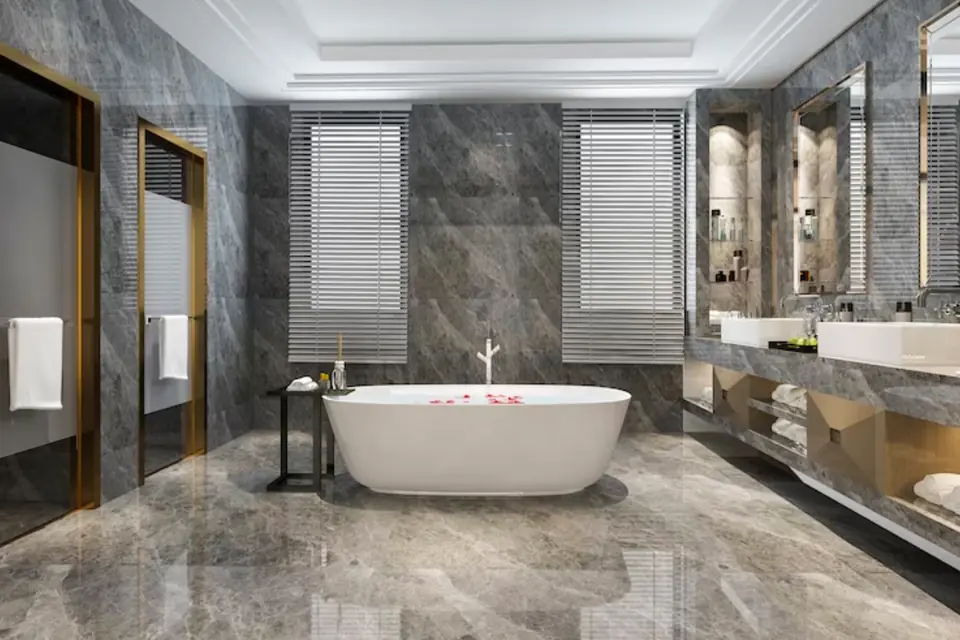
Tile is the hardest-working floor in Texas. It stays cool through August heat, it shrugs off muddy boots and dog bowls, and porcelain will not care if the dishwasher leaks. The catch? Tile only lasts if it is installed right, and that is where Paradise Spaces comes in. We build every tile floor from the substrate up, so it stays flat, tight and crack-free for decades.
Choose your tile
- Porcelain: dense, very low absorption, ideal for floors, showers, entries and patios
- Ceramic: great value for walls, backsplashes and light-traffic floors
- Natural stone: marble, travertine and slate for one-of-a-kind character (needs sealing)
- Large format: 24 x 24 inches and up for a sleek, low-grout look
- Wood-look plank tile: the warmth of wood with the toughness of porcelain
Compare in porcelain vs ceramic tile.
Built to the standards that matter
We follow Tile Council of North America methods and ANSI installation standards:
- Movement and crack control. North Texas clay soils move. Uncoupling or crack isolation membranes help keep slab cracks from reaching your tile.
- Flat substrates. Large format tile requires a flatter floor than small tile, so we grind and level first to control lippage.
- Full mortar coverage. We use the correct trowel and back-butter large tiles so there are no hollow spots waiting to crack.
- Movement joints. Soft joints at perimeters and in large fields let the floor expand and contract.
- Slip resistance. We help you choose tile with a suitable wet dynamic coefficient of friction (DCOF) for baths, entries and patios.
- Waterproofing in wet areas. Showers get a continuous waterproof membrane and a properly sloped base.
Read tile installation mistakes that cause cracks.
Tile for every room
- Bathrooms and showers: floors, walls, niches and mosaic shower pans
- Kitchens: durable floors and eye-catching backsplashes
- Entries and mudrooms: textured porcelain that handles wet shoes
- Living areas: wood-look or large format for a continuous look
- Patios: frost-resistant, outdoor-rated porcelain
Grout that stays good-looking
Mid-tone grout hides daily dirt, contrasting grout highlights the pattern, and stain-resistant or sealed grout keeps lines clean. We help you pick the right one for the room.
What drives the price
Tile size and material, pattern (straight, offset, herringbone or chevron), the amount of floor preparation, membranes, removal of existing flooring, trim pieces and grout type all affect cost. Large format tile and intricate patterns take more labor; mosaic shower floors take careful hand work. We show each part of the job separately in your estimate.
Wood-look tile: the best of both worlds
Porcelain plank tile gives you the warmth of wood with the toughness and water resistance of porcelain, perfect for kitchens, mudrooms and homes with big dogs. Offset joints of about one third of the plank length reduce lippage on long planks, and tight grout lines in a matching color complete the wood look.
Frequently Asked Questions
How long does tile installation take?
Most floors take 2 to 5 days, including prep, setting, grouting and cure time. Showers and large format tile take longer.
Is tile a good choice for the Dallas climate?
Yes. Porcelain stays cool, resists moisture and handles heavy traffic. Crack isolation membranes help with slab movement common in DFW soils.
Why do tile floors crack?
Usually from slab movement, poor mortar coverage, an uneven substrate or missing movement joints. Our installation process addresses each of these.
Can you install tile over existing tile?
Sometimes, if the old tile is flat and well bonded and the extra height works with doors and appliances. In many cases removal gives a better long-term result.
What is lippage?
Lippage is the height difference between neighboring tile edges. Flat substrates, quality tile and leveling systems keep it within industry tolerances.
Does porcelain tile need sealing?
Porcelain tile itself does not. Cement-based grout benefits from sealing, and natural stone needs periodic sealing.