Key facts
- Water, pipe-burst, appliance leak and storm damage
- Itemized, measured estimates with photos for adjusters
- Help matching flooring in connected rooms
- Moisture verification before new floors go in
A burst pipe, a leaking dishwasher or a storm can wreck floors overnight. Then comes the hard part: dealing with drying, adjusters and decisions. Paradise Spaces helps Dallas Fort Worth homeowners get back to normal with clear documentation, honest guidance and beautiful new floors. We also partner with water mitigation and restoration companies; see our restoration rebuild services.
Common causes of flooring claims
- Burst or leaking supply lines and pipes
- Dishwasher, washer, water heater and ice maker leaks
- Roof leaks and wind-driven rain during storms
- Slab leaks and plumbing failures behind walls
Act fast. Read water damaged floors: the first 48 hours.
How we help with the claim
- Measured, itemized estimates: rooms, square footage, materials, removal, preparation, trim and stairs on separate lines so your adjuster can review the scope easily
- Photos and documentation of damaged areas and existing materials
- Matching assessments: in open floor plans, flooring often runs continuously from room to room. We document whether a matching product is available and explain the options
- Adjuster meetings on site if you would like us there
Final coverage decisions are made by your insurance company. The Texas Department of Insurance has helpful consumer guides on homeowners claims.
Drying first, flooring second
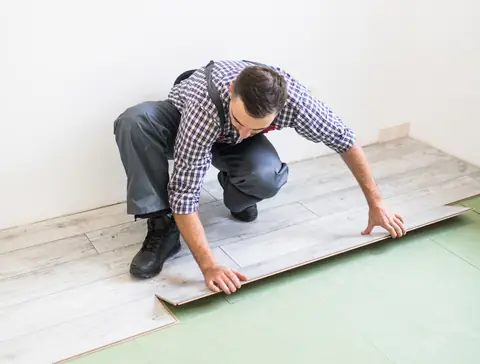
New floors go in only after the structure is dry. Professional water mitigation should follow recognized practices such as the IICRC S500 water damage standard. We verify moisture in the subfloor before installing, so hidden moisture does not ruin your brand-new floor.
Upgrade while you are at it
Many homeowners use a claim as a chance to upgrade, for example from carpet to waterproof luxury vinyl, paying the difference themselves. We can quote like-kind replacement and upgrade options side by side.
Documenting damage
Photograph damaged areas before anything is removed, keep receipts for emergency services, and save product information for your existing floors if you have it. Good documentation helps your adjuster understand the loss.
The typical timeline
- Water stopped and insurer notified
- Mitigation company extracts water and dries the structure
- Adjuster inspection and scope
- Our measured estimate and matching assessment
- Moisture verified, materials ordered
- Installation, trim and final walkthrough
Every claim is different, but understanding the steps helps you plan around the work.
Upgrading during a claim
Some homeowners choose a better floor while the claim is being handled, paying the difference themselves. We can quote both like-kind replacement and upgrade options so you can decide with clear numbers.
Why matching matters in open floor plans
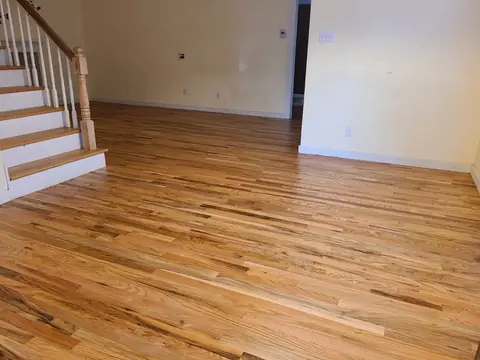
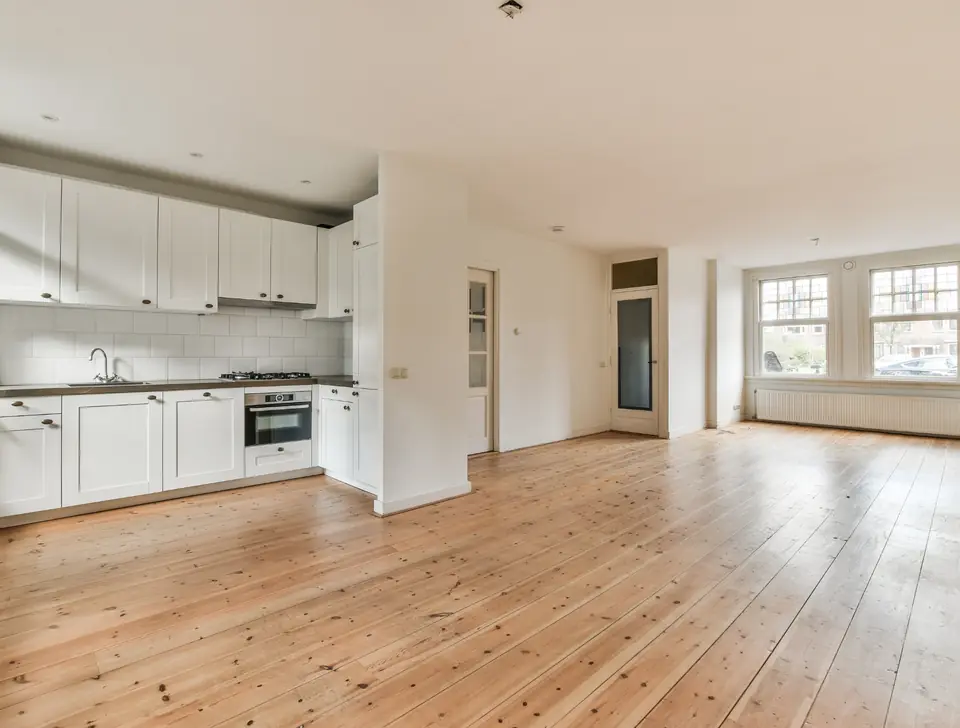
In many DFW homes, one floor runs from the entry through the living room, dining area and kitchen. If only part of that floor is damaged and the original product is no longer made, a patch can look obviously different. We document what is available, show samples next to your existing floor, and give you and your adjuster the information needed to decide on the best outcome.
Frequently Asked Questions
Do you work directly with insurance adjusters?
Yes. We provide itemized estimates and photos and can meet your adjuster on site. Coverage decisions are made by your insurer.
Can you match my existing flooring?
We try to match species, color and style. If an exact match is no longer made, we document it and explain the options.
When can new floors be installed after a leak?
After the structure and subfloor are confirmed dry. Installing too early can damage new flooring.
Do you do the water extraction and drying?
Drying is handled by a water mitigation company. We partner with restoration companies and take over for the rebuild and flooring.
Can I upgrade my flooring during a claim?
Yes. Many homeowners pay the difference to upgrade. We can quote both options.
What should I do first after a leak?
Stop the water, call your insurer, photograph the damage and start professional drying quickly.