
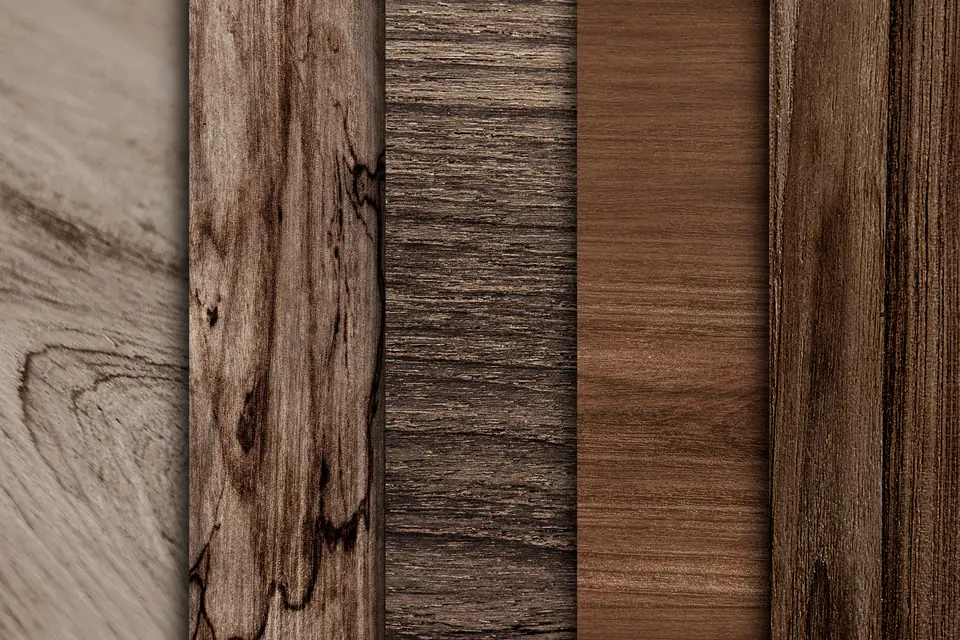
Engineered hardwood has become the most popular way to bring real wood into Dallas Fort Worth homes. It looks and feels like solid hardwood because the surface is real wood, but its construction makes it more stable and better suited to the concrete slabs under most North Texas homes.
Not all engineered hardwood is equal, though. The thickness of the wear layer, the type of core and the finish all affect how the floor performs and how long it lasts. Here is what you need to know before you buy.
How engineered hardwood is built
Engineered hardwood has two main parts:
- Wear layer (or lamella): a slice of real hardwood on top, such as white oak, hickory, maple or walnut.
- Core: layers beneath that provide stability. Most quality products use multi-ply plywood with each layer turned at right angles, which resists the natural expansion and contraction of wood. Some use a hardwood or composite core.
Because the core layers fight each other's movement, engineered planks shrink and swell far less than solid boards when humidity changes. That stability is why engineered wood can be glued to slabs, floated over underlayment and made in wide, long planks.
Wear layer thickness: the most important spec
The wear layer determines how many times the floor can be sanded and refinished, and how deep scratches or dents can go before reaching the core.
| Wear layer | Typical refinishing potential |
|---|---|
| Under 2 mm | Screen and recoat only; not suitable for full sanding |
| 2 to 3 mm | About one full sanding |
| 3 to 4 mm | One to two full sandings |
| 4 to 6 mm | Two or more full sandings |
Thicker wear layers cost more, but they extend the life of the floor and give you options to refinish and change the color later.
Core types compared
- Multi-ply plywood core: the most common and proven option, with good stability and dent resistance.
- Hardwood core: solid lumber strips or blocks beneath the wear layer; feels solid but can be less stable than plywood.
- HDF or composite core: often used in thinner, budget products; stable but less moisture tolerant at the edges.
For DFW slab homes, a good multi-ply core with an overall thickness of about 1/2 inch or more is a reliable choice.
Sawn face vs sliced vs rotary peeled
How the wear layer is cut affects its look:
- Sawn face looks the most like solid hardwood and is very stable.
- Sliced also shows natural grain patterns.
- Rotary peeled is cut by spinning a log against a blade, which can produce a wide, wavy grain pattern that looks less natural.
Prefinished vs site-finished
Prefinished engineered hardwood comes with factory-applied finish, often aluminum oxide, which is extremely durable. It installs quickly with no on-site sanding or fumes, and you can use the room almost immediately.
Site-finished engineered hardwood is installed raw and sanded, stained and finished in your home. It allows custom stain colors, a perfectly flat surface without beveled edges, and seamless matching to existing floors and stairs. It takes longer and requires you to stay off the floor while finish cures.
Surface textures and edges
Engineered hardwood comes in smooth, wire-brushed and hand-scraped textures. Wire-brushed and hand-scraped surfaces hide scratches and dents, which is helpful with kids and pets. Micro-beveled edges create subtle lines between boards; square edges create a seamless, formal look.
Installation methods
- Glue-down directly to a flat, dry concrete slab with a moisture-blocking urethane adhesive. This feels solid and quiet.
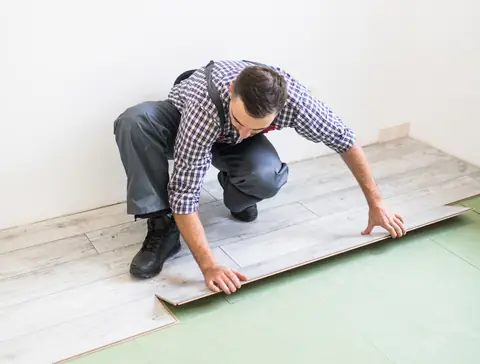
- Floating over an underlayment with an integrated moisture barrier. Faster and suitable for some click-lock products.
- Nail or staple down over plywood subfloors in pier-and-beam homes or second floors.
We choose the method based on your subfloor, the product and the manufacturer's instructions. Learn more on our hardwood flooring installation page.
Why engineered hardwood suits North Texas
DFW humidity swings between humid spring storms and dry winter heating seasons. Solid hardwood reacts to those swings with gaps in winter and cupping in humid conditions. Engineered hardwood moves much less, which is why it is our usual recommendation for slab homes and for wide planks.
Questions to ask before you buy
- What is the wear layer thickness, and is it sawn, sliced or rotary peeled?
- What is the core construction and total thickness?
- Is the product approved for glue-down on concrete?
- What finish is used, and what is the warranty?
- What width and length range is included in each box?
Plank width, length and grade
Width and length shape the personality of a floor. Narrow strips of about 2 1/4 to 3 inches feel traditional. Planks of 5 to 7 inches feel relaxed and modern, and 7 to 9 inch planks create a high-end, open look that suits large rooms and open floor plans. Longer boards reduce the number of end joints and make a room feel calmer. Engineered construction makes wide, long boards practical on concrete slabs because it controls movement.
Grade describes how much natural character appears in the wood. Select or clear grades show minimal knots and uniform color for a refined look. Character and rustic grades include knots, mineral streaks and color variation, which hide wear and pair well with wire-brushed textures. There is no right answer; it depends on your style and how much natural variation you enjoy.
Matching engineered hardwood to existing floors
If you are extending wood into new rooms or replacing a damaged area, matching can be tricky. Prefinished products may be discontinued, and factory colors rarely match an older site-finished floor exactly. In those cases, installing unfinished engineered or solid boards and sanding and finishing the whole connected area together produces a uniform result.
The bottom line
Engineered hardwood offers the beauty of real wood with the stability needed for Texas homes. A thicker wear layer, a quality plywood core and the correct installation method make the difference between a floor that lasts a decade and one that lasts a generation.
Paradise Spaces carries engineered hardwood in many species and styles at in-house discounted prices. Request a free estimate to see samples in your home.
Need help with your project?
Paradise Spaces provides hardwood flooring installation and free in-home estimates across Dallas Fort Worth. Call (214) 903-4378 or request a quote online.
Frequently Asked Questions
Is engineered hardwood real wood?
Yes. The top layer you walk on is real hardwood, bonded to a stable core.
Can engineered hardwood be refinished?
Yes, if the wear layer is thick enough. Products with 3 mm or more can typically be sanded at least once.
Is engineered hardwood waterproof?
No. It is more stable than solid hardwood but should not be exposed to standing water.
Comments
Loading comments...